Since 2009, I have been providing artists guidance, mentoring, production, publishing, engineering, public address systems, songwriting clinics, press releases, interviews, public speaking, performing music, developing web sites, online advertising campaigns, search engine optimization, music publishing, song licensing and so much more under the umbrella of Dream Town Media, LLC. At times I’ve had up to ten employees and as few as one. It’s been a roller coaster of entrepreneurship, but I wouldn’t change a thing. I love being my own boss. Most recently we produced and released this album with my trio.
Thanks for your continued support! XO -Melissa
!NOW AVAILABLE STREAMING & DOWNLOAD ON YOUR FAVORITE PLATFORM!
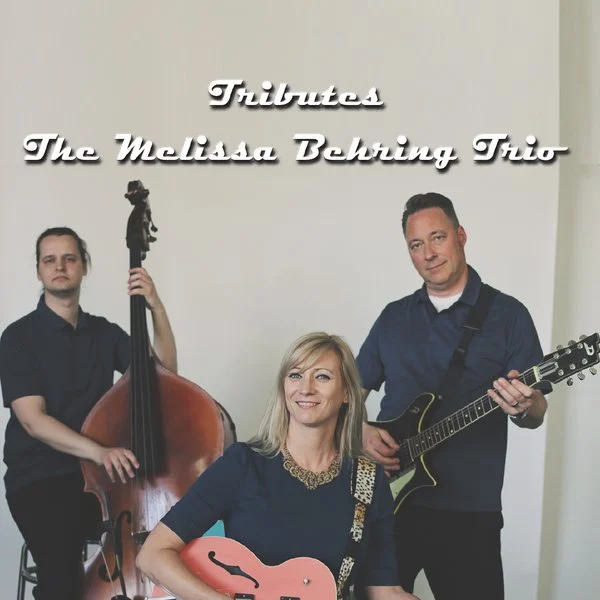
!NOW AVAILABLE STREAMING & DOWNLOAD ON YOUR FAVORITE PLATFORM!




Live in studio, recorded at Big Sky in Ann Arbor, Michigan, the Melissa Behring Trio featuring Melissa Behring on Vocals and Guitar, Jake Tobias on Guitar and Vocals, and Rocco Popielarski on bass perform a selection of “Tributes” to friends and family members special songs. If you’ve hired us to perform for an event, there’s a good chance we’ve recorded your song.
Starting July 1, 2023, Listen to The Melissa Behring Trio on your favorite digital platform or purchase the Tributes CD in person at an upcoming show.
We are excited and honored to have licensed some of the most amazing song titles writen by some of the greatest composers in the world in the past seven decades to put our own twist on them with an acoustic flair. We hope you enjoy our work.
!NOW AVAILABLE STREAMING & DOWNLOAD ON YOUR FAVORITE PLATFORM!
Dream Town Media
Supporting Creatives & Their Businesses
Art, music, writing, dance, all are businesses that provide services for communities, families, events and more.
Partner with a creative person to take your experience to the next level.
Create life long memories that your friends, families and customers will talk about for years to come.
Need a band for your backyard bbq? Looking for lessons for painting? Aspiring author but not sure where to start? Best undiscovered nature photographer looking for a new career path? I can help.
My purpose and mission is to support and spread the love of the arts and artists from Michigan around the world. In doing so, I hope to elevate the native artists from our area.